Review: Classic Roses Quilt Block Applique Collection
As a designer who spends more time staring at stitch maps than most people care to admit, I approach new machine embroidery design releases with a mix of excitement and skepticism. We all know the feeling: a beautiful preview image that promises elegance, only to result in a tangled mess of thread breaks and puckering once it hits the hoop. That is why I took a close look at the Classic Roses Quilt Block Applique Collection before committing it to any client work or personal embroidery project. This isn't just about whether it looks pretty on a screen; it is about how it performs when the needle meets the fabric.
First Impressions: Timeless Elegance Meets Practical Structure
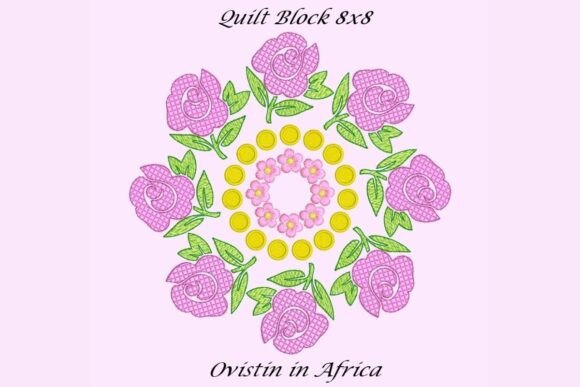
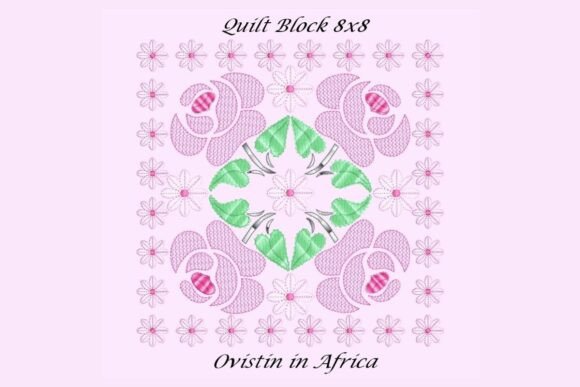
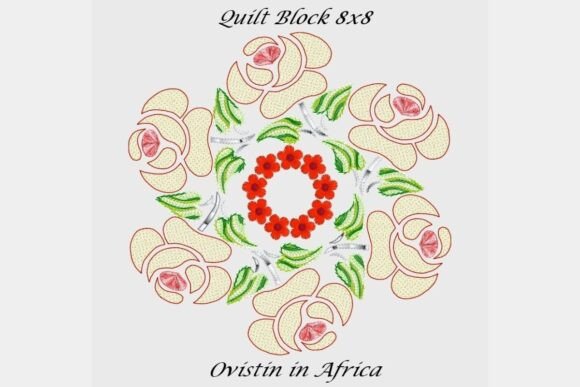
The moment you load the files for the Classic Roses Quilt Block Applique Collection, the first thing that strikes me is the intentional layout. These aren't just random floral sprigs; they are structured as quilt blocks, which implies a certain geometric discipline often missing in free-flowing floral designs. The mood is undeniably romantic but grounded. It feels like something that belongs in a heritage home or a high-end boutique rather than a fast-fashion rack.
Visually, the balance between the applique design elements and the stitching details seems well-considered. In my experience, rose motifs can easily become muddy if the petal layers are too dense or if the stitch density is too high for standard cotton. However, this collection appears to utilize open spaces effectively, allowing the fabric texture to breathe. This is crucial for maintaining the integrity of the finished product, especially if you are aiming for that soft, vintage aesthetic common in Bedroom decor or heirloom quilting.
Real-World Application: From Mockup to Merchandise
To truly test the viability of these designs, I imagined a specific scenario: a small shop owner preparing a spring collection for an Etsy store. Let's say you are creating a line of personalized tote bags and linen tea towels. The Classic Roses Quilt Block Applique Collection fits perfectly here. The block structure provides a natural frame, making it ideal for centering on a tote bag design without needing excessive additional framing stitches.
For a custom apparel project, such as a ladies' linen tunic or a structured apron, the applique technique shines. By using a contrasting fabric for the rose petals and securing them with a clean satin stitch or a delicate running stitch border, you elevate a simple garment into a handmade product with significant perceived value. Customers are willing to pay more for items that look like they required skill and time to produce. The visual clarity of these roses suggests they would hold up well even when viewed from a distance at a craft fair, grabbing attention without screaming for it.
I also considered its use in baby embroidery. Soft, pastel versions of these blocks on a muslin swaddle blanket or a nursery pillow cover would be stunning. The lack of overly aggressive fill stitches means the final item remains soft against sensitive skin, a critical factor for parents buying personalized gift items for newborns.
Navigating Technical Challenges and Fabric Choices
While the design potential is high, a professional reviewer must address the limitations. Where should you exercise caution? Any design with distinct corners and layered elements requires careful handling on difficult substrates.
- Stretchy Fabrics: If you attempt sweatshirt embroidery with this collection, be wary. The quilt block geometry demands stability. On a fleece hoodie, you must use a robust cut-away stabilizer to prevent the square lines from warping into diamonds after washing.
- Small Hoop Sizes: Some variations in the collection might push the limits of a 4x4 hoop. Always check the specific dimensions of the embroidery file you intend to use. Cramping a detailed floral block into a tight space can lead to compromised stitch quality.
- Dark Fabrics: Roses often rely on subtle shading. On black or navy fabrics, ensure your thread colors have enough contrast. You may need to adjust the underlay settings or choose a brighter palette to ensure the applique design doesn't disappear into the background.
- Curved Surfaces: Placing a rigid quilt block design on a curved surface like a cap is risky. The geometric straight lines of the block will highlight any distortion caused by the curve of the hat. Stick to flat surfaces like pillow covers, wall hangings, or flat panels of clothing for the best results.
Enhancing Brand Value and Customer Trust
For Etsy sellers and creative entrepreneurs, consistency is key to building a brand. The Classic Roses Quilt Block Applique Collection offers a cohesive look that can tie together a diverse range of products. Whether you are selling a kitchen towel, a patch, or a holiday ornament, using variations of the same design family creates a recognizable visual language.
This consistency builds customer trust. When a buyer sees a well-executed, professional commercial embroidery job, they assume the seller is reliable. Sloppy stitching or poorly chosen designs can damage a reputation instantly. Because this collection leans towards a classic, timeless style, it avoids trending pitfalls that might look dated in six months. This longevity protects your investment in design assets and ensures your printable mockup portfolios remain relevant longer.
Essential Notes for the Working Designer
Before you start stitching for profit or pleasure, here are my practical recommendations for working with this collection:
- Test on Scraps: Never run a new digital embroidery file directly on your final customer fabric. Stitch it out on a scrap piece of the exact same material to check for puckering or registration issues.
- Check Licensing: If you plan to sell finished items, verify the license terms. Some collections allow unlimited sales of physical goods, while others restrict the number of items or prohibit selling the digital files themselves.
- Stabilizer Selection: For applique, a combination of tear-away and cut-away stabilizers often works best. The tear-away removes bulk from the back, while the cut-away supports the weight of the fabric patches.
- Thread Contrast: Experiment with thread weights. A slightly thicker top thread can make the satin stitch borders pop, giving the roses more definition against the quilt block background.
- Wash Testing: If the end product is a holiday embroidery gift or a kitchen item that will be washed frequently, wash your test sample multiple times. Ensure the applique edges do not fray and the colors do not bleed.
In conclusion, the Classic Roses Quilt Block Applique Collection stands out as a versatile tool for the modern maker. It bridges the gap between traditional quilting aesthetics and modern machine capabilities. While it requires thoughtful fabric selection and proper stabilization, the payoff is a small shop product that exudes quality and charm. Whether you are decorating a Bedroom suite or launching a new line of embroidered patch accessories, this collection provides the solid foundation needed to create work you can be proud of.