Harebell Flower: A Charming Pick for Craft Fair Success
As I stand in my studio surrounded by stacks of blank tote bags, crisp tea towels, and a mountain of hoop-ready caps, I am mentally preparing for this weekend's craft fair. The pressure is always on to curate a booth display that stops browsers in their tracks and converts them into buyers. Today, I am reviewing the Harebell Flower, a new machine embroidery design that promises to give fabrics a charming update. My goal is simple: determine if this design has the visual punch and practical versatility needed to become a best-selling handmade product for my small shop.
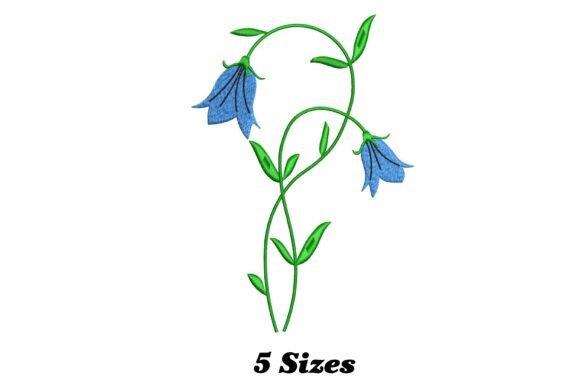
The first impression of the Harebell Flower is undeniably soft and whimsical. Based on the description promising a "fun and quirky flair," this isn't a stiff, traditional botanical sketch. Instead, it feels like a modern, decorative element that bridges the gap between rustic farmhouse aesthetics and contemporary minimalism. For an Etsy seller or boutique maker, this mood is crucial. It suggests a design that appeals to customers looking for unique, personalized touches rather than mass-produced generic items. The charm lies in its potential to look equally at home on a kitchen apron as it does on a trendy market bag.
Visual Impact on Market Products
When setting up a craft fair table, visual hierarchy is everything. I imagine placing the Harebell Flower on a variety of substrates to test its range. On a natural canvas tote bag design, the flower acts as a perfect focal point. Its delicate lines likely pop beautifully against the textured weave of the fabric, offering that handmade quality buyers crave. If I were to use it for apron embroidery, placing it near the pocket or on the bib area would create an inviting, artisanal look that suggests the wearer is someone who appreciates detail.
For tea towel embroidery, the design needs to hold up against the looped texture of terry cloth or the tight weave of linen. The "quirky" nature of the Harebell suggests it might have a slightly stylized shape that reads well even from a distance. This is vital for booth samples; customers walking past my table need to identify the motif instantly. If the design is too intricate, it gets lost on textured towels. However, if it relies on bold outlines and clear shapes, it becomes a star performer for kitchen decor.
I also see strong potential for smaller applications. An embroidered patch featuring the Harebell could be a low-cost impulse buy, perfect for customers who want to customize their own denim jackets or backpacks. Similarly, applying this to fabric pouches or pillow covers adds a cohesive theme to a product line. The key here is consistency. Using the same Single Flowers motif across different finished product types strengthens brand identity and makes the booth display look professional and curated.
Production Practicality and Batch Selling
From a production standpoint, the viability of the Harebell Flower depends on how easily it can be replicated. As a commercial embroidery provider, I need designs that are robust enough for batch production but detailed enough to justify a premium price. The description mentions embellishing t-shirts and home decor, which implies versatility in hoop size and scaling. Before committing to a full run, I must verify if the design retains its clarity when resized. A design that works as a large chest logo might lose its "charming" details if shrunk down for a cap front or a small pouch.
Photography is another critical factor for online listings. A printable mockup is useful for planning, but nothing beats a real photo of the stitched design. The Harebell's appeal will rely heavily on how the thread colors interact with the fabric. For digital sellers creating design assets, providing high-quality photos of the stitched result on various backgrounds is essential. For physical sellers like myself, the way the light hits the satin or fill stitches can make the difference between a scroll-past and a click-to-buy.
Critical Considerations for Stitching
While the Harebell Flower sounds delightful, experienced designers know that beauty often comes with technical caveats. Here are the specific areas where I would exercise caution during the digitizing review and testing phase:
- Dense stitch areas: If the petals have heavy fill stitching, they may cause puckering on lightweight fabrics like t-shirts. Checking the stitch density is mandatory before cutting into good fabric.
- Tiny details: Quirky designs often include small, playful elements. These can vanish if the thread tension is off or if the fabric texture is too coarse.
- Curved surfaces: Applying this to caps requires careful attention. The curvature of a cap front can distort the shape of the flower if the underlay isn't sufficient.
- Dark fabric: The charm of the Harebell might rely on light, airy colors. Stitching on dark navy or black may require a dense underlay or white backing to prevent the fabric from showing through and dulling the vibrancy.
- Small lettering: If the design includes any text (though not specified in the description), ensure it is legible. Small text often merges together in embroidery.
Final Verdict and Designer Notes
The Harebell Flower has the potential to be a standout item in a craft fair product lineup, provided it is executed with precision. Its ability to add a "fun and quirky flair" makes it highly marketable to the current demographic of creative entrepreneurs and home decorators. To ensure success, I recommend the following workflow before listing this as a commercial embroidery item:
- Test on scrap fabric: Always stitch out the embroidery file on the exact material you intend to sell. What looks good on muslin might behave differently on canvas.
- Check thread contrast: Ensure the chosen thread palette creates enough separation between the flower and the background fabric.
- Review spacing: Look for gaps in the design that might expose the fabric unintentionally.
- Confirm hoop size: Verify that the design fits your available hoops without requiring excessive re-hooping, which slows down production.
- Use the right stabilizer: Match the stabilizer to the fabric weight to prevent distortion, especially for stretchy materials.
- Create a real mockup: Don't rely solely on digital previews. A physical sample is your best sales tool.
- Compare fabric colors: Test the design on at least three different fabric colors to see where it shines brightest.
- Confirm licensing: Since the description mentions "machine embroidery design," double-check the license terms to ensure you are allowed to sell finished goods made with this file.
In conclusion, the Harebell Flower offers a blend of elegance and playfulness that fits perfectly into the handmade market. By paying attention to the technical details of fabric texture and stitch execution, this design can transform simple blanks into high-value treasures. Whether you are an Etsy seller looking to expand your catalog or a vendor prepping for a weekend market, this design deserves a spot in your rotation—just remember to respect the nuances of the medium to let its true charm shine.