Purple Hydrangea Flower: A Craft Fair Best-Seller Review
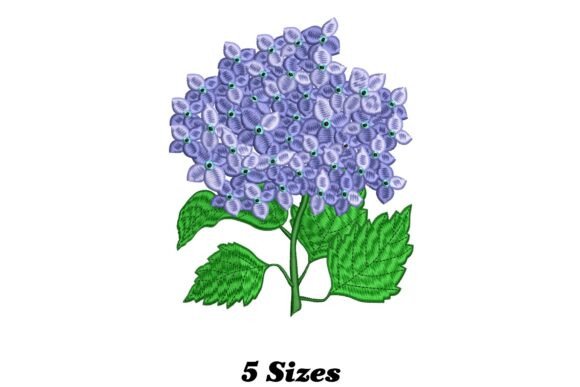
As I lay out my booth display for the upcoming weekend market, my eyes keep drifting back to the Purple Hydrangea Flower. In the world of machine embroidery design, finding a motif that balances elegance with mass appeal is rare, but this piece feels like a winner. Standing in front of my table, surrounded by stacks of linen tote bags, crisp aprons, and textured tea towels, I am evaluating this design not just as art, but as a craft fair product that needs to convert browsers into buyers.
The first impression of the Purple Hydrangea Flower is undeniably soft yet bold. It carries a whimsical charm that fits perfectly with the current trend toward cottage-core and modern farmhouse aesthetics. Unlike aggressive geometric patterns or overly complex scenic Single Flowers, this hydrangea offers a lush, full bloom that reads instantly from three feet away. For an Etsy seller or boutique maker, that immediate visual recognition is crucial. Customers walking down a crowded aisle need to understand what they are looking at without stopping to squint. The purple hue suggests royalty and calm, making it a versatile choice for both spring markets and holiday gift guides.
Where This Design Shines on Handmade Goods
When considering where to place this embroidery file, the possibilities for a handmade product line are extensive. My top pick for maximum impact is the canvas tote bag design. The large, flat surface of a market bag allows the hydrangea to be stitched at a generous size, showcasing the petal details without crowding. A centered bloom on a natural cotton tote creates a high-value item that customers love to carry as a statement piece.
Equally promising is apron embroidery. The bib of an apron provides a perfect canvas for a focal floral element. Imagine a charcoal grey apron with this vibrant purple flower; the contrast would be striking. Similarly, tea towel embroidery remains a staple at craft fairs. Placing the hydrangea in the corner of a waffle-weave towel adds a touch of sophistication to a utilitarian item, elevating it from a simple kitchen cloth to a giftable home decor piece.
I also see potential for smaller applications. An embroidered patch featuring this flower could be applied to denim jackets or backpacks, appealing to a younger demographic. For home decor enthusiasts, stitching this onto zippered fabric pouches or pillow covers creates a cohesive collection. The key is versatility; the Purple Hydrangea Flower works as a standalone star or as part of a clustered arrangement if you have multiple hoop sizes available.
Production Reality and Batch Selling
From a production standpoint, the viability of a design often comes down to repeatability. Can I stitch fifty of these before my hands cramp? Does the design run smoothly? While I cannot confirm the exact stitch density or hoop size without inspecting the specific digital embroidery file metadata, the visual complexity suggests a moderate stitch count. This is ideal for batch production. It is detailed enough to look premium but likely not so dense that it causes puckering on standard fabrics.
Photography is another critical factor for the small shop product owner. This design photographs beautifully. The organic shape of the hydrangea creates natural shadows and highlights, making printable mockup creation straightforward for online listings. Whether you are updating your Etsy shop or creating social media ads, the Purple Hydrangea Flower provides strong design assets that look professional in a finished product photo.
Critical Considerations for Execution
However, no design is without its challenges. To ensure every item leaving my booth is flawless, I must address several practical constraints. First, thread colors are vital. Purple can easily look muddy if the wrong shade is selected. I recommend testing at least three variations of purple thread against your base fabric to ensure the flower pops rather than blends in.
Fabric texture plays a massive role in the final outcome. While this design looks stunning on smooth cotton, textured towels or thick terrycloth might swallow the finer details of the petals. If stitching on looped fabrics, you may need to adjust the pull compensation or choose a simpler version of the file if available. Furthermore, curved surfaces like caps require careful hooping. The round nature of a hydrangea can distort on a curved bill, so proper stabilizer selection—likely a cut-away for durability—is non-negotiable.
Dark fabric presents another hurdle. If you plan to offer this on navy or black items, remember that the purple threads might lose definition. You may need to add a layer of white topping stabilizer to prevent the dark fabric from showing through the stitches, which can ruin the "soft" look of the flower.
Final Verdict for the Creative Entrepreneur
In conclusion, the Purple Hydrangea Flower is a robust contender for any commercial embroidery lineup. It enhances brand consistency by offering a recognizable motif that can be applied across various product categories, from wearables to home goods. Its ability to grab customer attention through color and shape directly influences buyer engagement at busy events.
Before launching this into your inventory, adhere to these professional notes: always test the design on scrap fabric identical to your final product. Check the spacing between petals to ensure they don't merge during stitching. Confirm the hoop size requirements to avoid unnecessary re-hooping. Most importantly, review the licensing terms of your embroidery file. Ensure you have the rights for commercial embroidery sales, as some designers restrict the number of physical items you can sell.
By treating the Purple Hydrangea Flower with the respect it deserves through careful material selection and quality control, you transform a simple digital file into a tangible asset that drives sales. It is more than just a flower; it is a tool for building a memorable brand presence in the competitive handmade marketplace.